Mark Cocker
Finding Wonder in the Living World
Derbyshire Break 1
with
Mark Cocker
Mon 25 April – Thurs 28 April 2022
A four-day all-inclusive break to experience the hills and dales of north Derbyshire with multi-award-winning naturalist and author in his home patch. This tour is now full but we will run other breaks soon. Plese message us here to be notified of future events.

Buxton and the High Peak
North Derbyshire is a fabulous area for natural history with a distinctive rural culture and a proud record as the site of the UK’s first-ever national park, The Peak District, which was designated more than 70 years ago. Our wildlife breaks are centred in historic Buxton. The town stands atop the thermal springs for which it has been renowned since Roman times, but it also straddles the two characteristic geological formations of the High Peak, the limestone plateau and the gritstone uplands. The life of 320 million years ago is never far from the surface and has shaped the region’s environmental present, as well as its industrial past. Only a single English spot to the south of here is higher than Axe Edge, the ridge running just west of Buxton. This formation is a central watershed for English rivers (ie those flowing off one side join the North Sea, those heading west from Axe Edge flow to the Irish Sea). For our purposes Buxton is perfectly placed because it is so close to a range of great wildlife areas and our excursions will involve minimal driving. The break is also timed to catch the region at its spring best.

- Our Westminster Hotel is a five minute drive from the high moorland and on our first evening we will make an excursion to enjoy some of its special breeding birds including short-eared owl and golden plover. They arrive back in late winter and take up breeding territories and should be well into their nest season by late April. The presence of owls is dependent upon the quality of the habitat for voles and they move year to year so it is hard to predict. But a displaying short-eared owl is one of the most beautiful sights offered by the avifauna in these islands.


images from left: short-eared owl, common snipe and common wheatear
Our first day will be spent in the fabulous Chee and Millers Dales, where the River Wye cuts a steep-sided gorge into the limestone valley and the old railway line provides a perfect broad track through what is otherwise difficult terrain. The deep limestone canyons are a perfect resonating surface against which the breeding jackdaws fire a cacophony of their joyous calls.
The area is celebrated for its flora and we will visit at least two Derbyshire Wildlife Trust reserves to enjoy the limestone gardens that are brimming up with colour and beauty. Willow warblers will now be singing and common redstart returns from the African Sahel to take up territory. One of the pleasures of arguably Britain’s most beautiful migrant is working out the mimickry embedded in the male’s wonderful little ditty. My most prized ‘spot’ was the sound of a calling ‘bee-eater’ which was all the weirder for being in a Derbyshire dale. We also meet some of the other avian specialities such as grey wagtail and dipper and, more recently, the dramatically colourful mandarin ducks. This Asiatic import has taken very well to the tree cavities in the ash and sycamore woods that line the steep valley sides.


images from top left: mountain pansy,, dipper, wood anemones and mandarin duck family,
Spring is late to arrive in this high plateau area but there is a huge amount of colour and scent to enjoy: the kitchen tang of the ramsons, the star-like beauty of celandines, the patches of primroses and wood avens and the early flowers of the scarce spring cinquefoil. Yet it is the wider atmosphere of the Wye Valley in this section which is also captivating, especially its sense of astonishing greenness. Here is a brief slideshow sense of the place.


- images: Wye Dale, flowering cowslips, common redstart singing, lesser celandines in flower, flowering ramsons, hazel catkins, limestone formations in Chee Dale, River Wye in morning mist
After the lush almost subtropical photosynthesing power of the dales we head on our second full day for the more austere, open character of the Derbyshire-Staffordshire tops. In fact Dane Bower quarry is just over the border into Cheshire and in a short walk we will take in all three counties. The whole area is one of the best moorland landscapes for all the birds traditionally associated with the uplands – curlews, golden plovers, lapwings and common snipe. It also holds a small number of breeding ring ousels as well as the more numerous stonechats and wheatears.


images top left then clockwise: red grouse, male stonechat, Eurasian curlew, common snipe, moorland near Axe Edge,
The walk runs through an old abandoned quarry and we will plan to have our picnic overlooking the wonderfully named Wolf Edge, near Flash, the highest village in England. If it is a good vole year this is a great place for breeding short-eared owls and there are often peregrines and ravens in the same area. If time allows we will run down into the Gradbach and follow the River Dane through the woods to visit Lud Church, a rather eery cleft in the rocks, where the persecuted Lollard sect was said to gather in the fifteenth century. The site is also credited as a key location in the anonymous medieval poem Sir Gawain and the Green Knight. But Gradbach is just a lovely spot for wildlife and will add to the day’s full mix.
Our last day in England’s most landlocked county will be determined by weather and wildlife as the season unfolds. But it will capture something special about that particular spring. One spot we may visit is among my favourite in the area: Beeston Torr in the Manifold Valley. It is in Staffordshire and is dominated by a huge domed bloc of limestone that is often visited by peregrines. The surrounding woodlands are some of the best in the area and are a great place to catch up with two of the area’s rarest speciality birds – marsh and willow tit. Wherever we go it will be chosen to offer you the fullest sense of this place and to capture the essence of the Peak District.


images Beeston Torr with a resting peregrine, marsh tit and Beeston torr
The 360 Degree Approach
Our Derbyshire breaks are co-organised by Mark Cocker and Chris Mounsey of Balkan Tracks. Chris will make all arrangements, handle bookings and oversee finances. Our approach has been worked out over many years of sharing wildlife and its place in human culture with others. The break is intended to be a form of alfresco salon where the landscapes and life of Derbyshire are a stimulation for reflection, thought and unending conversation, as well as laughter and great fun. We shall never be in a rush. There will be no concern whatsoever for listing. And while I am not expert in everything, we will look at everything. The aim is to pack each day with wonder so that you have the richest and most imaginative engagement with all parts, whether it is peregrines or periwinkles. It is not a writing trip in any sense but the approach lends itself to creative responses. If you feel inspired all the better, and impromptu readings in the evening are a routine part of our holidays.
The 360 Degrees team

Mark Cocker is an author and naturalist born and brought up in Buxton. He has contributed to the Guardian country diary for 34 years and his 12 books of creative non-fiction, including Our Place, Birds and People and Crow Country, have been shortlisted for many awards including the Samuel Johnson Prize. Crow Country won the New Angle Prize in 2008, while A Claxton Diary won the East Anglian Books Awards in 2019. In a previous life he led wildlife holidays all over the world and the 360 Degree approach is a distillation of that experience.

Originally a lawyer in London, Chris Mounsey worked for an environmental NGO in Prespa in Greece. He and his father Richard then founded their dedicated ‘responsible tourism’ company, which is devoted to connecting visitors with some of Europe’s finestnature and, importantly, the people who live among it. Chris is currently exploring newforms of flight-free holidays in the UK and other parts of Europe.
Our Accommodation

Our base is the four-star Westminster Hotel, a family-run 12-room establishment on Broad Walk at the heart of the town, with lovely views over the Pavilion Gardens’ lakes. The breakfasts and packed lunches are hearty and based on locally sourced produce. In the evenings we have three-course dinners at a small privately-owned and family-run restaurant called La Brasserie Bar, where the food and atsmopshere are first class. It is just ten-minutes walk from the hotel and located in the most vibrant part of Buxton’s scenic centre. There are terrific micro-brewery pubs around this area and our hotel is chosen to give you easy access to Buxton’s famous historical architecture, such as the St Anne’s Crescent and the Devonshire Dome. You can find out more about your accommodation at their respective websites: www.westminsterhotel.co.uk and www.thebarbrasseriebuxton.co.uk.
Prices and Arrangements
Dates: Mon 25 – Thurs 28 April 2022
Price £795 (plus £100 for single supplement) Included are all transport, guiding (entry fees), all meals including daily packed lunches and accommodation. Mark will be with you on all excursions. The only additional costs are your travel to/from Buxton, drinks or snacks during the day, evening drinks with your dinners. The tour will have a maximum of eight participants. Our programme is based on 9am – 5pm excursions, although sometimes we might be later back from more distant locations. We will provide a detailed daily plan closer to departure. We can make reading and equipment recommendations. A £200 deposit is payable on booking. See my website for additional details. if you want more information about the programme please email me here. If you would like to go straight to the booking form, click here.
Derbyshire Break 2
with
Mark Cocker
Mon 4 July – Thurs 7 July 2022
A four-day all-inclusive summer break to experience the hills and dales of north Derbyshire with multi-award-winning naturalist and author in his home patch. If you would like to go straight to the booking form, click here.
Our wildlife breaks are centred in historic Buxton. The town stands atop the thermal springs for which it has been renowned since Roman times, but it also straddles the two characteristic geological formations of the High Peak, the limestone plateau and the gritstone uplands. The life of 320 million years ago is never far from the surface and has shaped the region’s environmental present, as well as its industrial past.
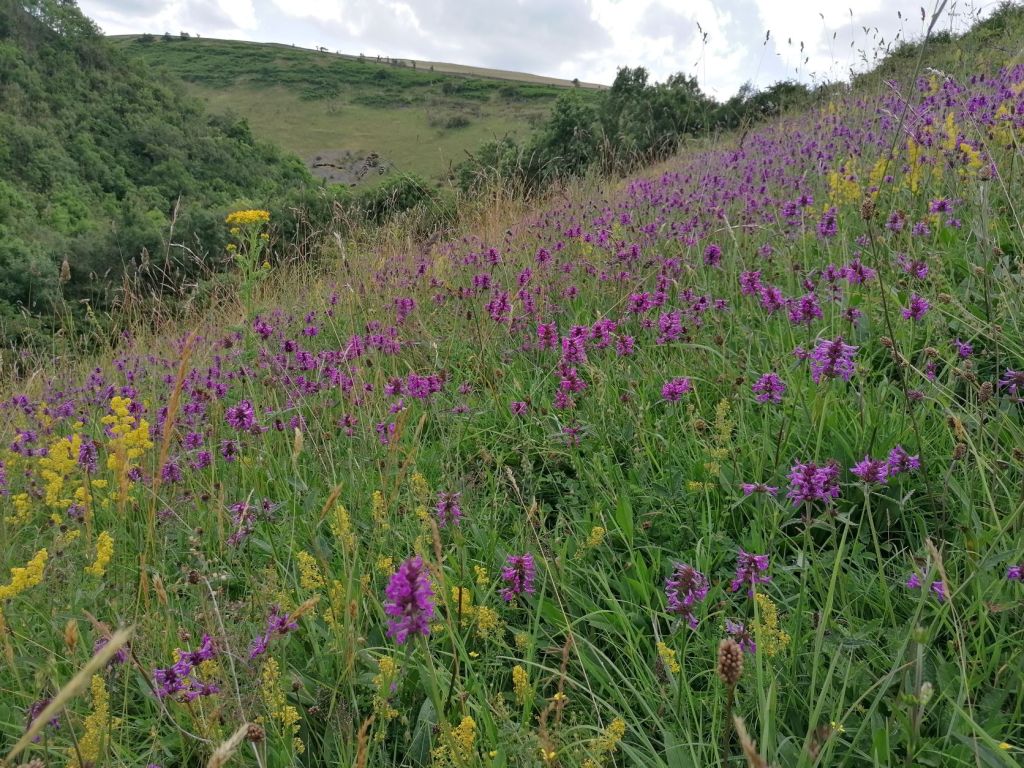
July is a great time of year to visit the Peak District and the break is timed to capture some of the area’s most distinctive wildlife at its best. The real beauty of the season is that we get a full sense of the area’s wildlife abundance with the minimum of travel. Time spent travelling to the sites is kept to an absolute minimum.
Once we have gathered early on Monday afternoon we intend to be among it all in a matter of few minutes. Buxton itself is a great place for wildlife and we will visit one of the local hotspots to begin the holiday. Willow warblers, whitethroats and spotted flycatchers are all feeding their nestlings or embarking on a second brood in the local woods, while ravens and buzzards are common locally and often fly directly over the town. Wherever there are flowers there are always insects and local specialities include bilberry bumblebee and the elm-loving white-lettered hairstreak.
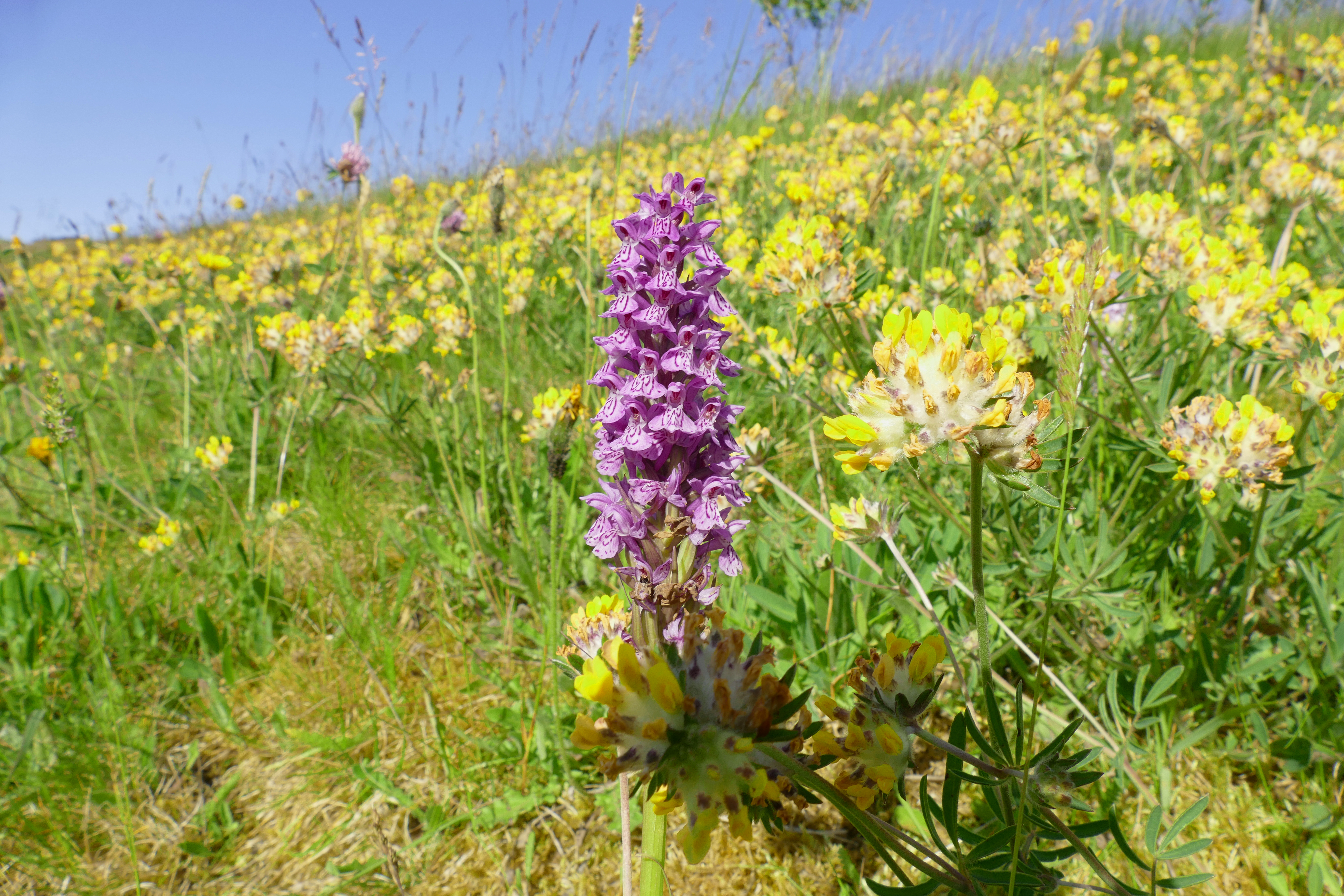
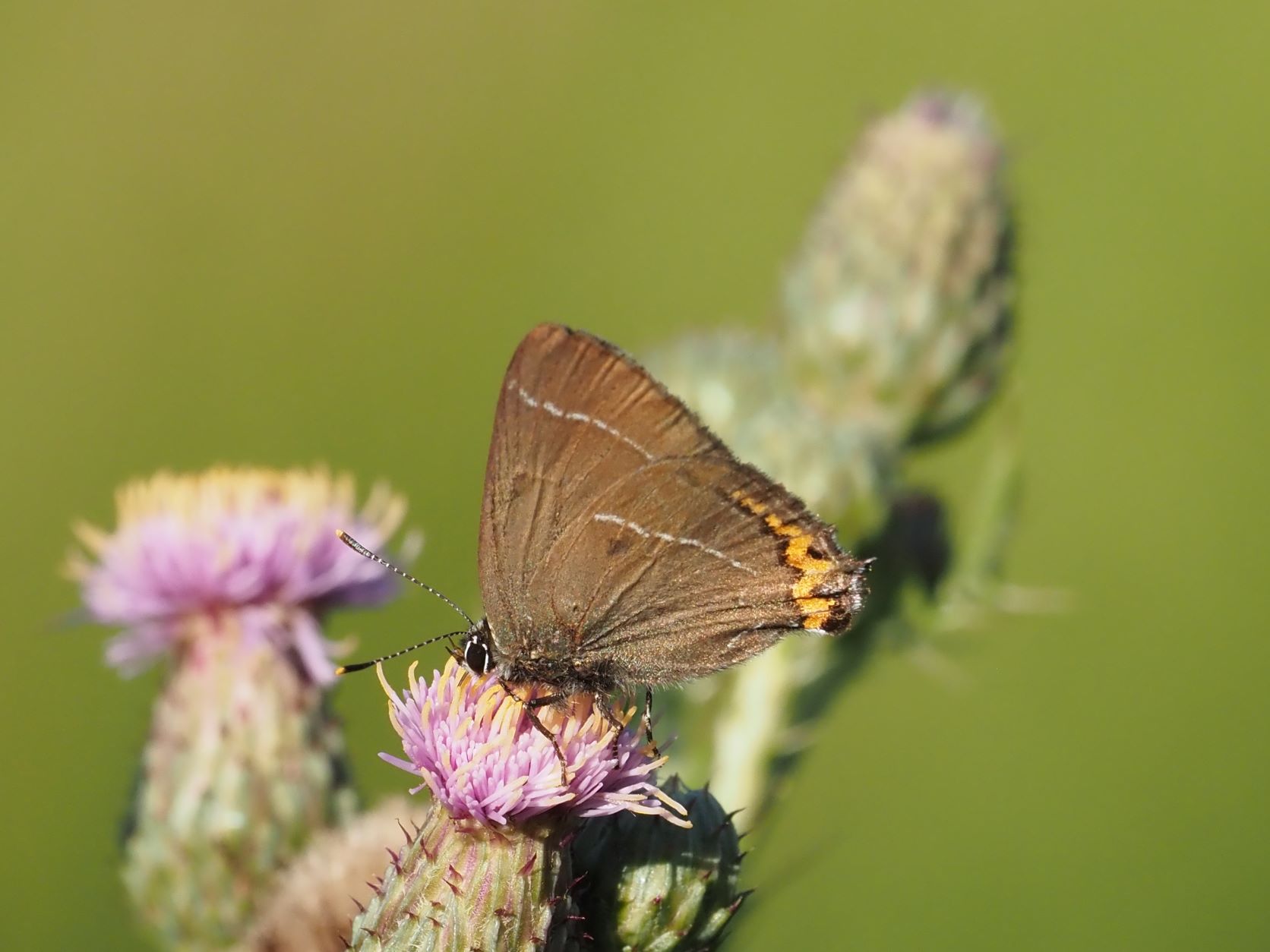

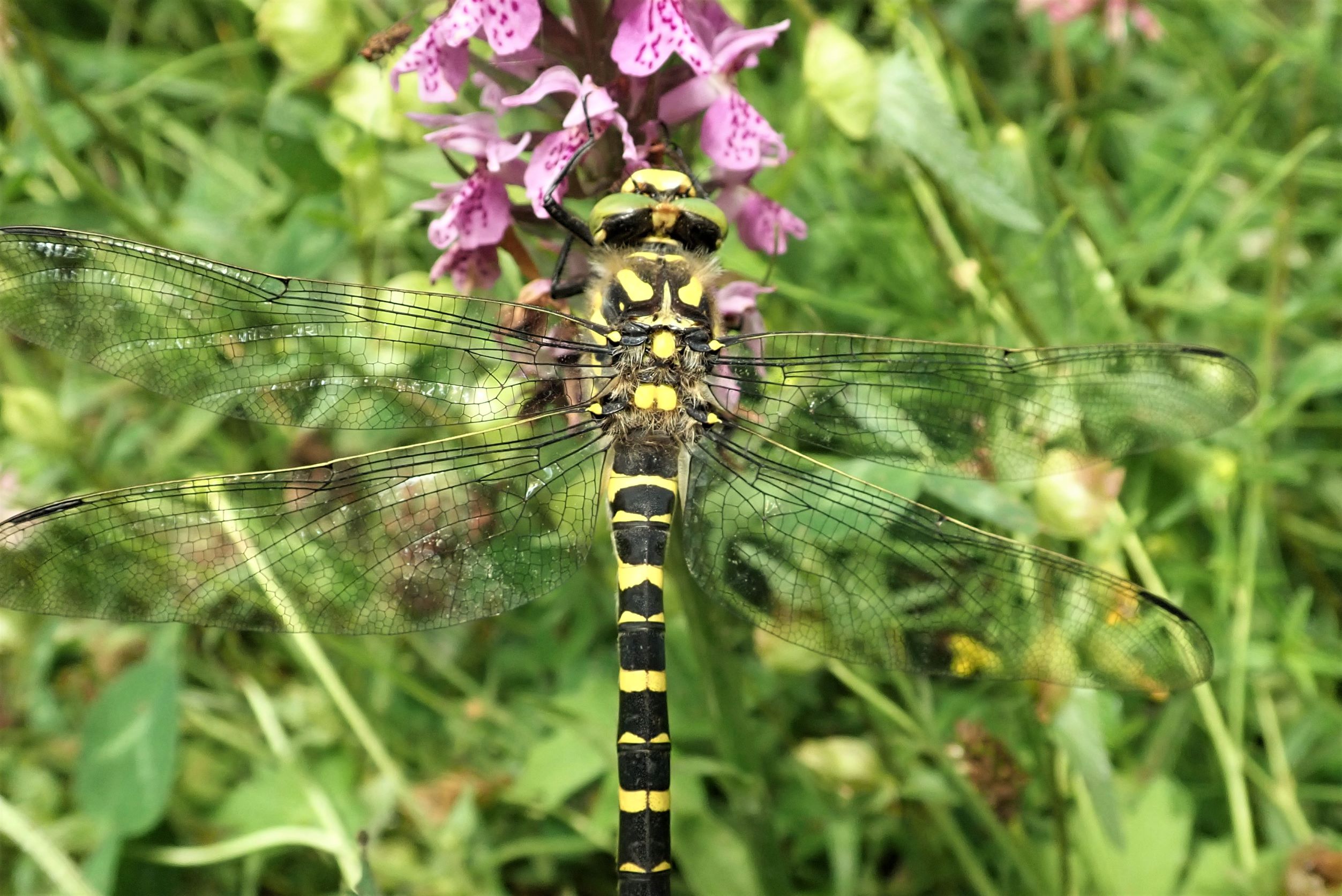
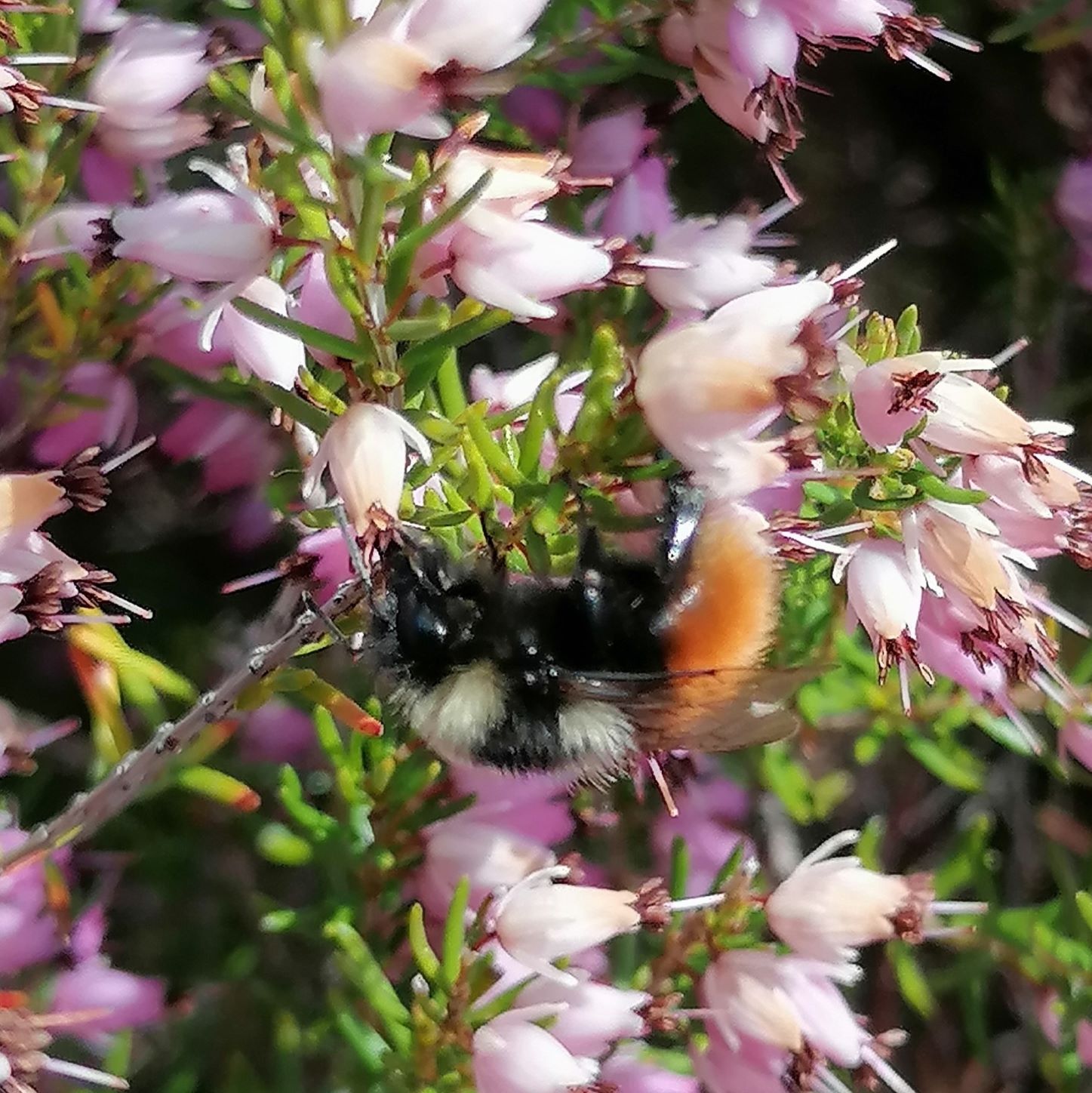
(images below, clockwise from top left: southern marsh orchid and kidney vetch; white-lettered hairstreak, dark green fritillary; bilberry bumblebee and golden-ringed dragonfly).
North Derbyshire in high summer is one of the most botanically rich areas in England and enjoying this festival of colour will be a key part of our four-day break. The dales also have real specialities at this time of year and both dark red helleborine and dune helleborine should be in full bloom. We have about a dozen fabulous dales to choose from and I may adjust the programme to take advantage of nuances and local information at the time. A common denominator, wherever we choose, is the sheer floral abundance: the riverbanks forested with triffid-like stands of butterbur, the banks of betony and lady’s bedstraw, harebells and knapweed climbing up the sides of Hay Dale; the stands of eyebright and thyme that crown the endless nests of yellow meadow ants, with which they are ecologically entwined. All of these will be encountered at some point over the four days and we are not averse to recommendations.


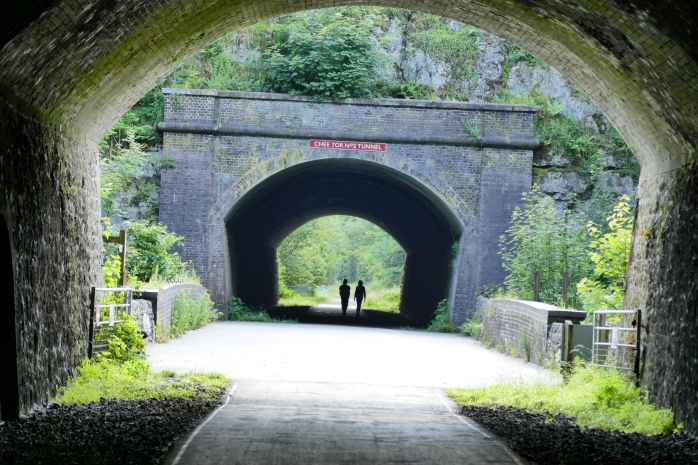
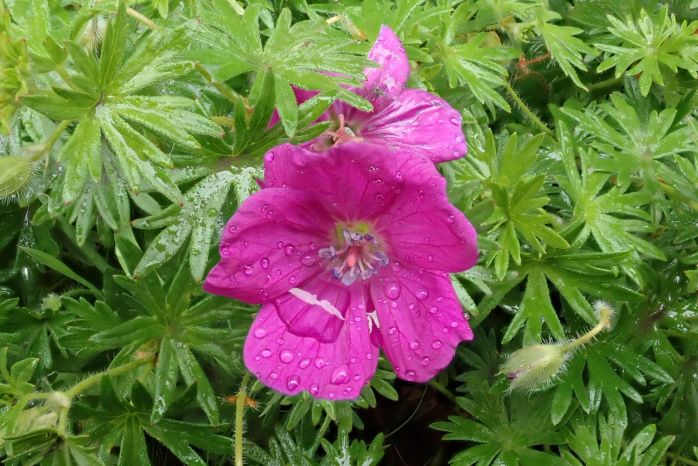
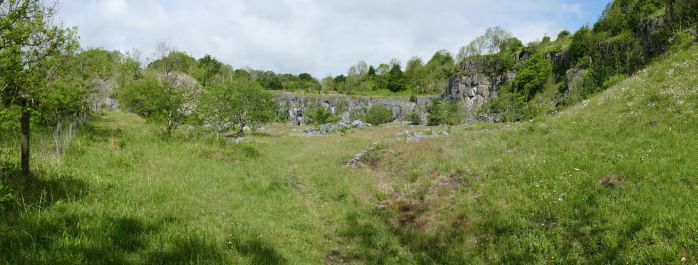
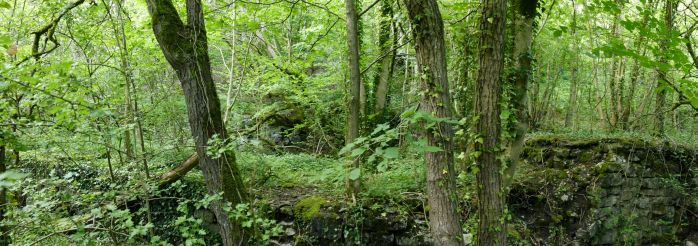

Images 1-: butterbur in the River Wye; eyebright, one of the two dagger moth species on its food plant; Chee Torr tunnel in Miller Dale; bloody cranesbill; DWT’s Millers Dale Quarry reserve; the rewilded railway sidings near Millers Dale station; green woodpecker, .)
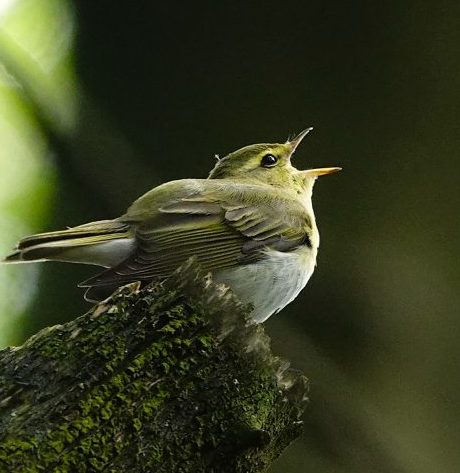
Some of the gusto of the spring bird chorus may have been lost by July but there are compensations: such as flocks of newly fledged hirundines – house martins and swallows – that muster over the dales and woods. Adults redstarts are also busy feeding their broods of semi-independent young and they flick in and out the limestone crags and hawthorn bushes flashing their telltale fiery tails. Dippers breed really early and may well be fledging a second brood by July’ so the rivers will never have so many of these wonderfully characterful birds. It seems almost a rule of life on the riverbank: find a dipper and there will be a grey wagtail family too. Another part of summer nowadays is the mandarin duck mothers with their endearing broods of ducklings. Overhead, meanwhile, we keep an eye out for pergrines that are feeding their well-grown chicks at ths time, as well as occasional hobbies or red kites, which are now creeping into the area as breeding birds.
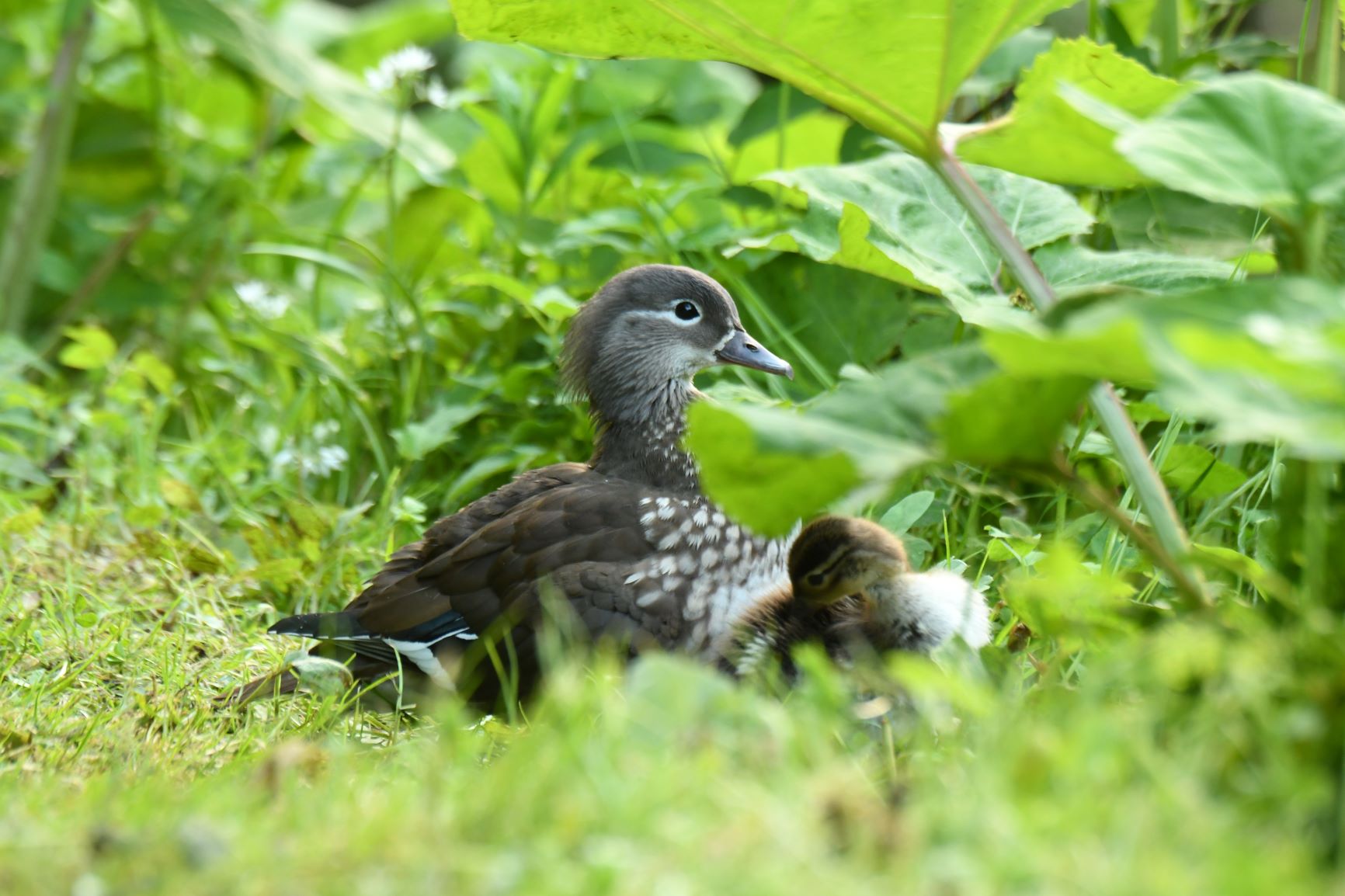

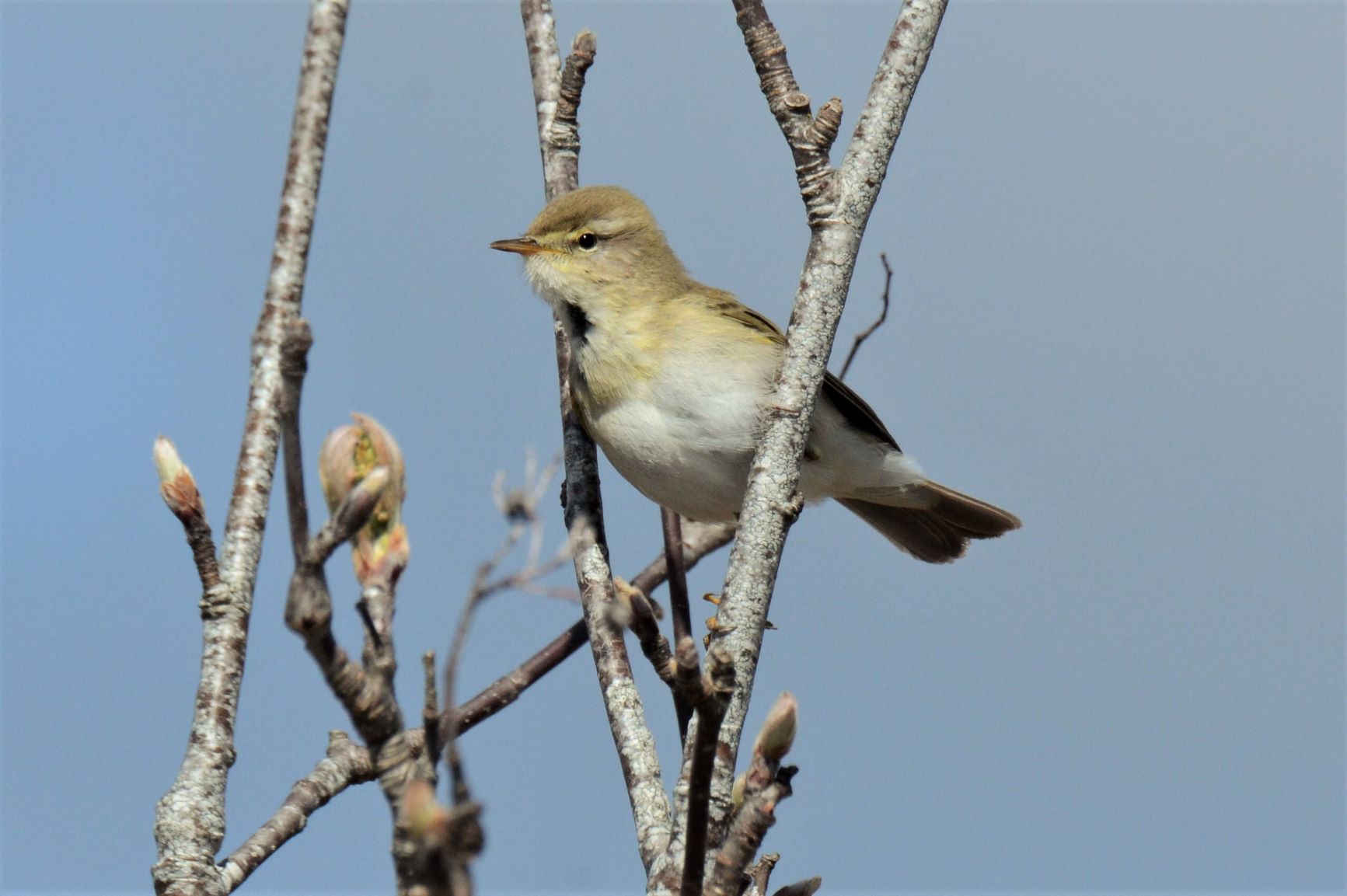
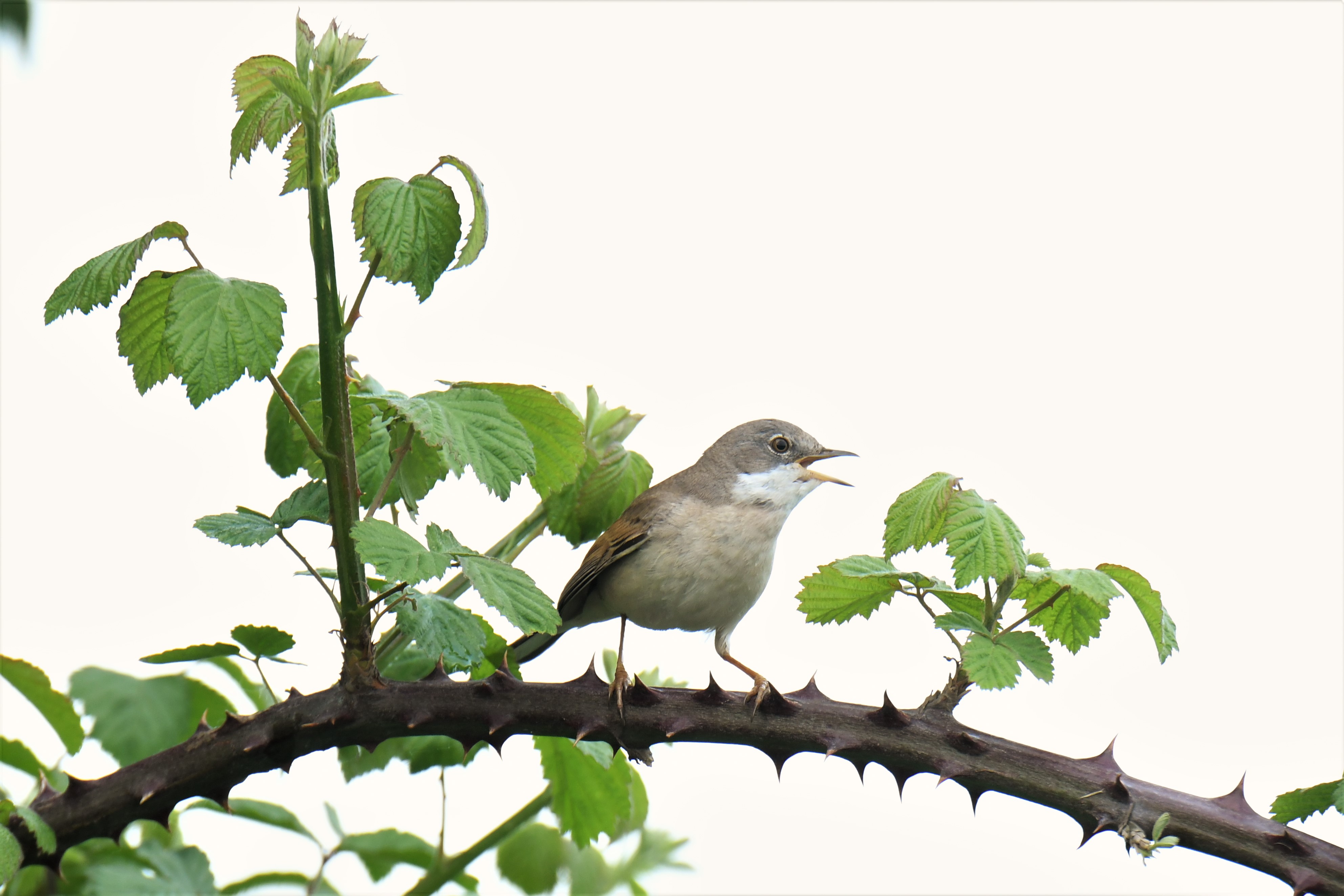
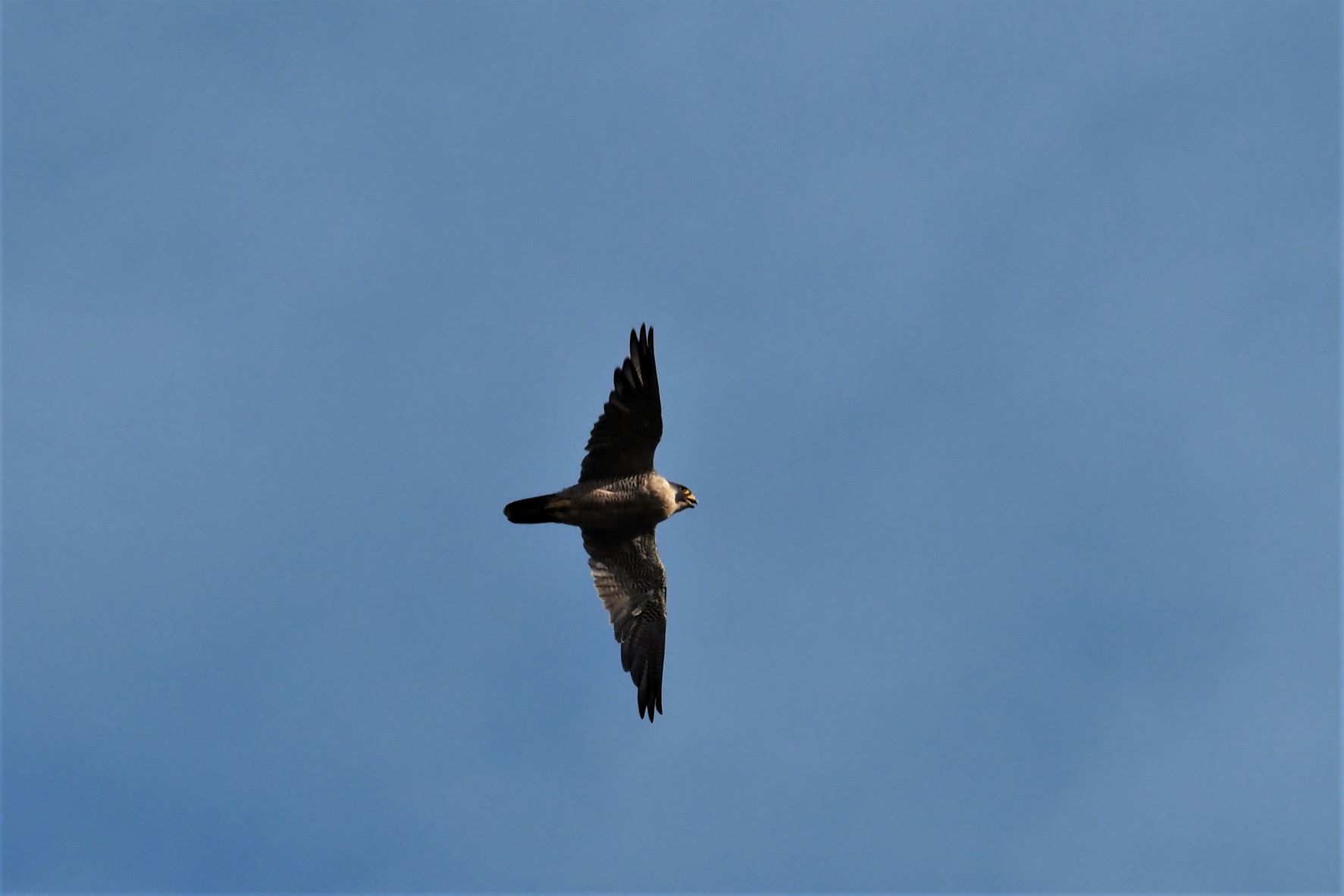
Images clockwise from top left: mandarin duck family, barn swallow fledgling, willow wabler, peregrine male, common whitethroat.
On our last morning, depending on the weather and the group’s fitness we can venture onto Kinder Scout which is the highest part of the Peak District. Defoe infamously wrote it off as a ‘waste and houling wilderness, but it became famous in the twentieth century as the heart of the access movement. This was especially after the Mass Trespass of 1932, which is now celebrated almost annually. Kinder is well known for its grand prospects but it is also a very interesting place for wildlife.
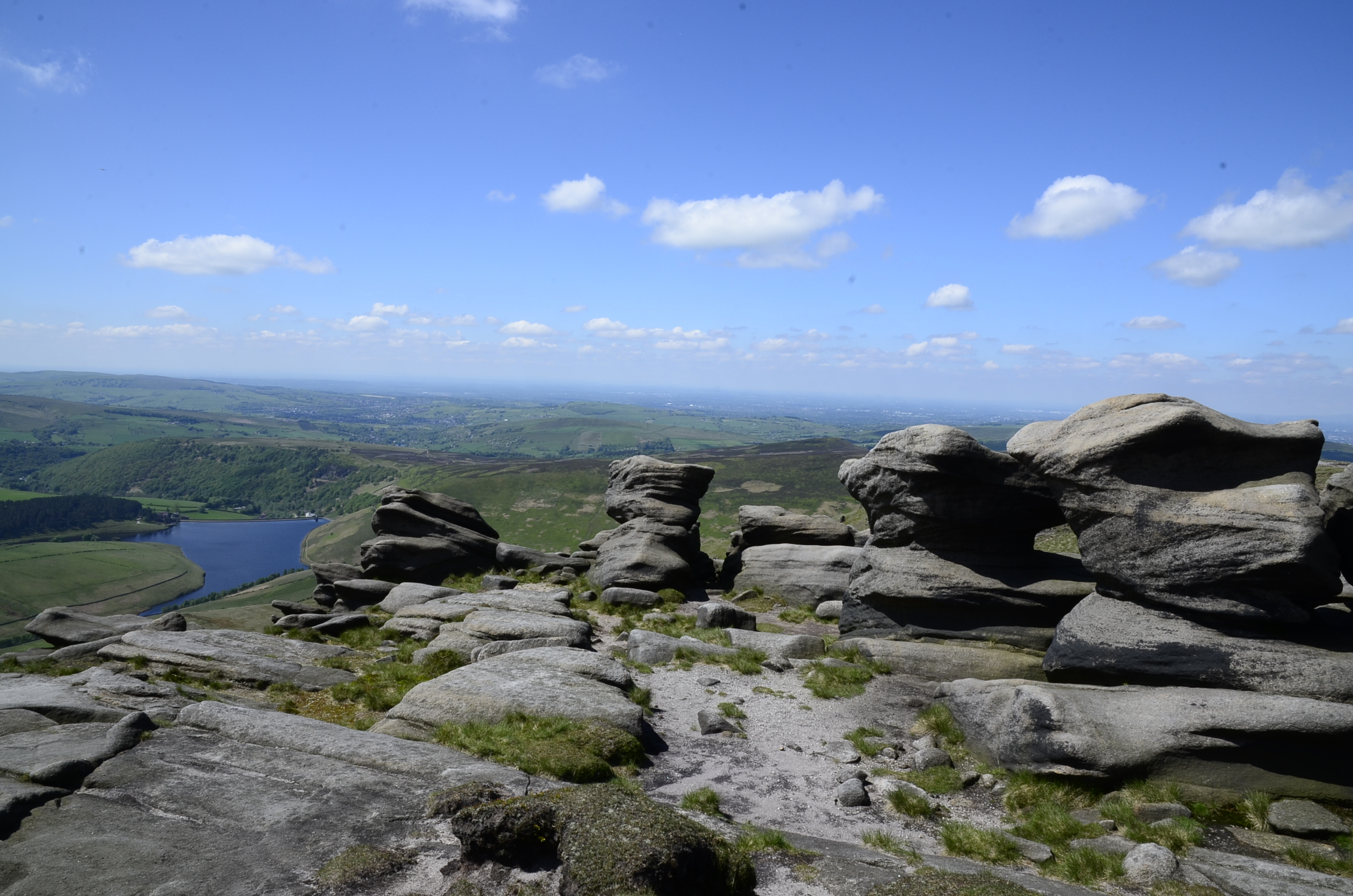


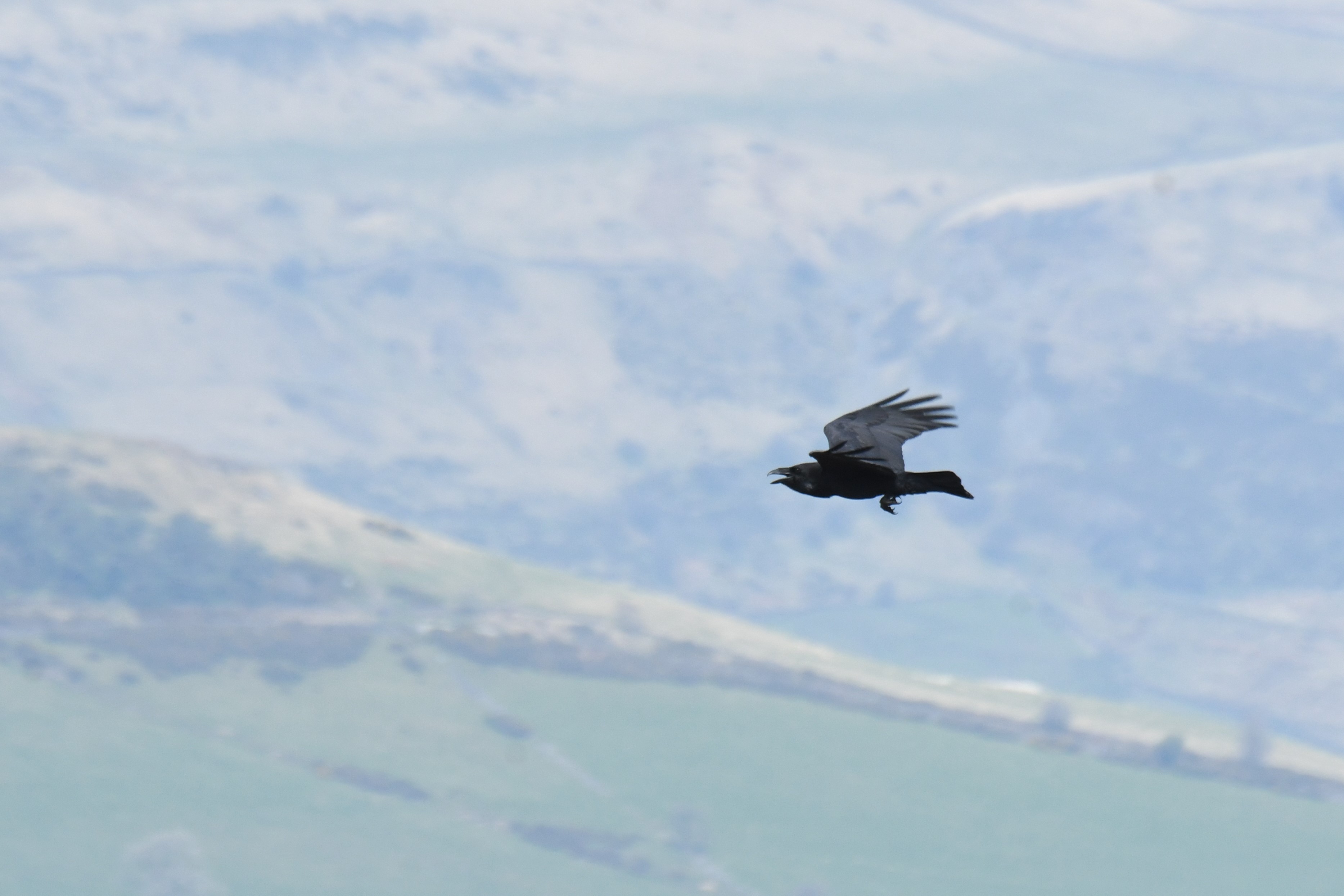
The tops are most famous for their blanket bog, but the Kinder valley into the lovely village of Hayfield holds great oak woods and these are excellent for wildlife. Purple hairstreak butterfly is one of its scarcer resident insects and the local abundance of three flowering heathers is a major draw for a range of bumblebee species. Another local speciality is the solitary heather bee, whose colonies riddle the exposed shaly outcrops with their tiny burrows. We may not get the health benefits of a full Kinder climb but the foot of the Scout is a great spot for our picnic, while the panoramic views are a perfect finale for our Derbyshire break.
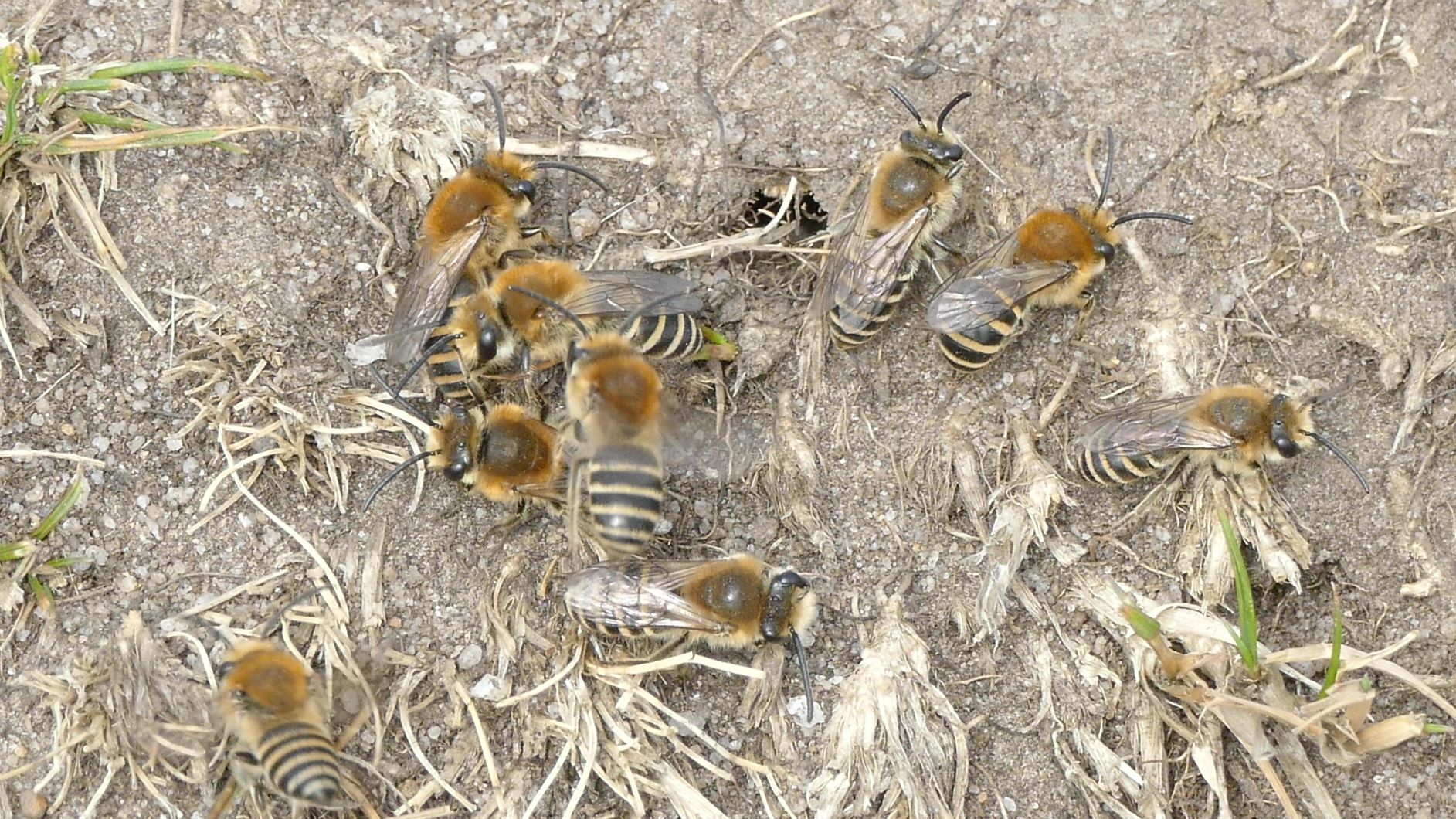
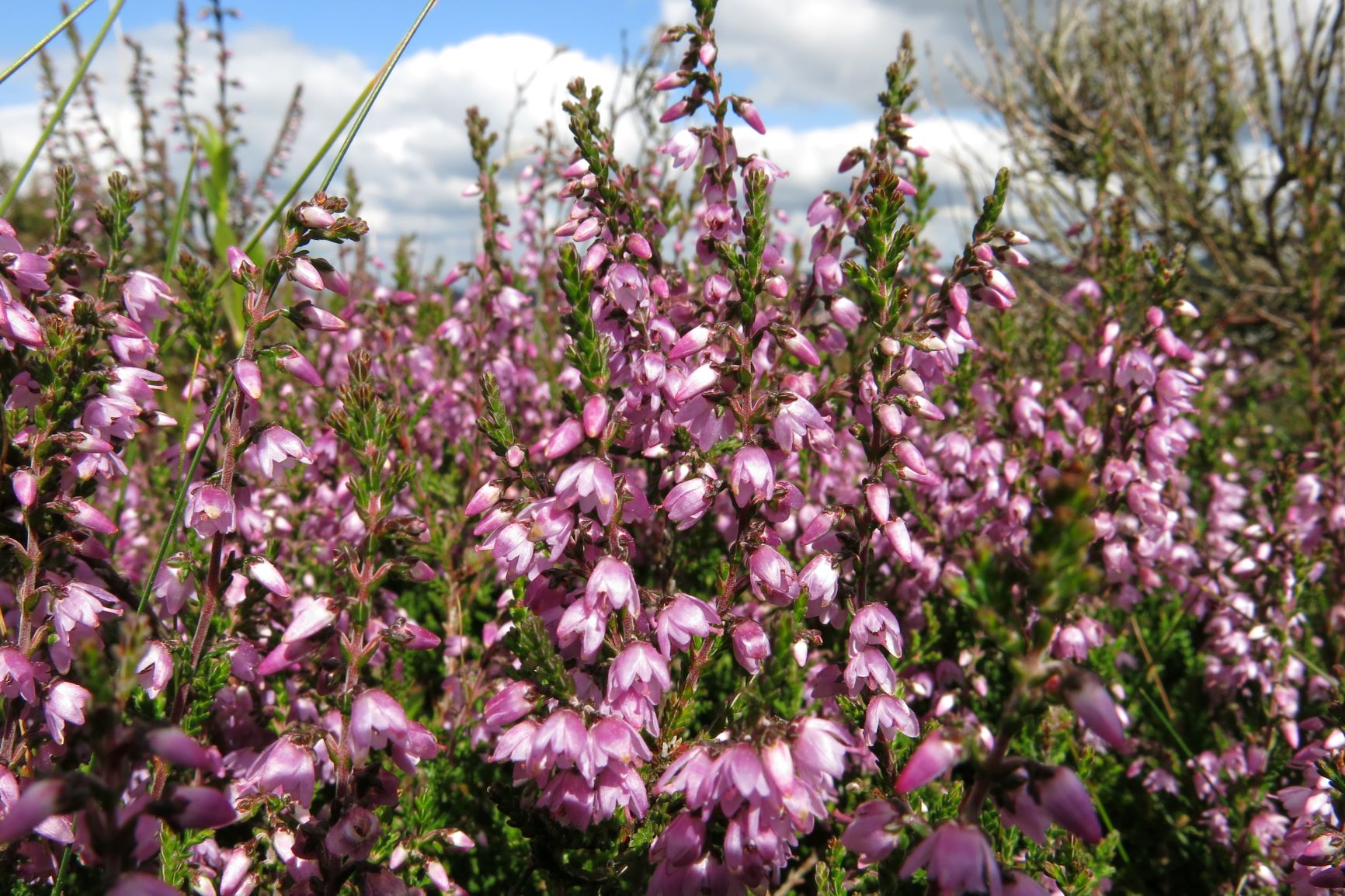
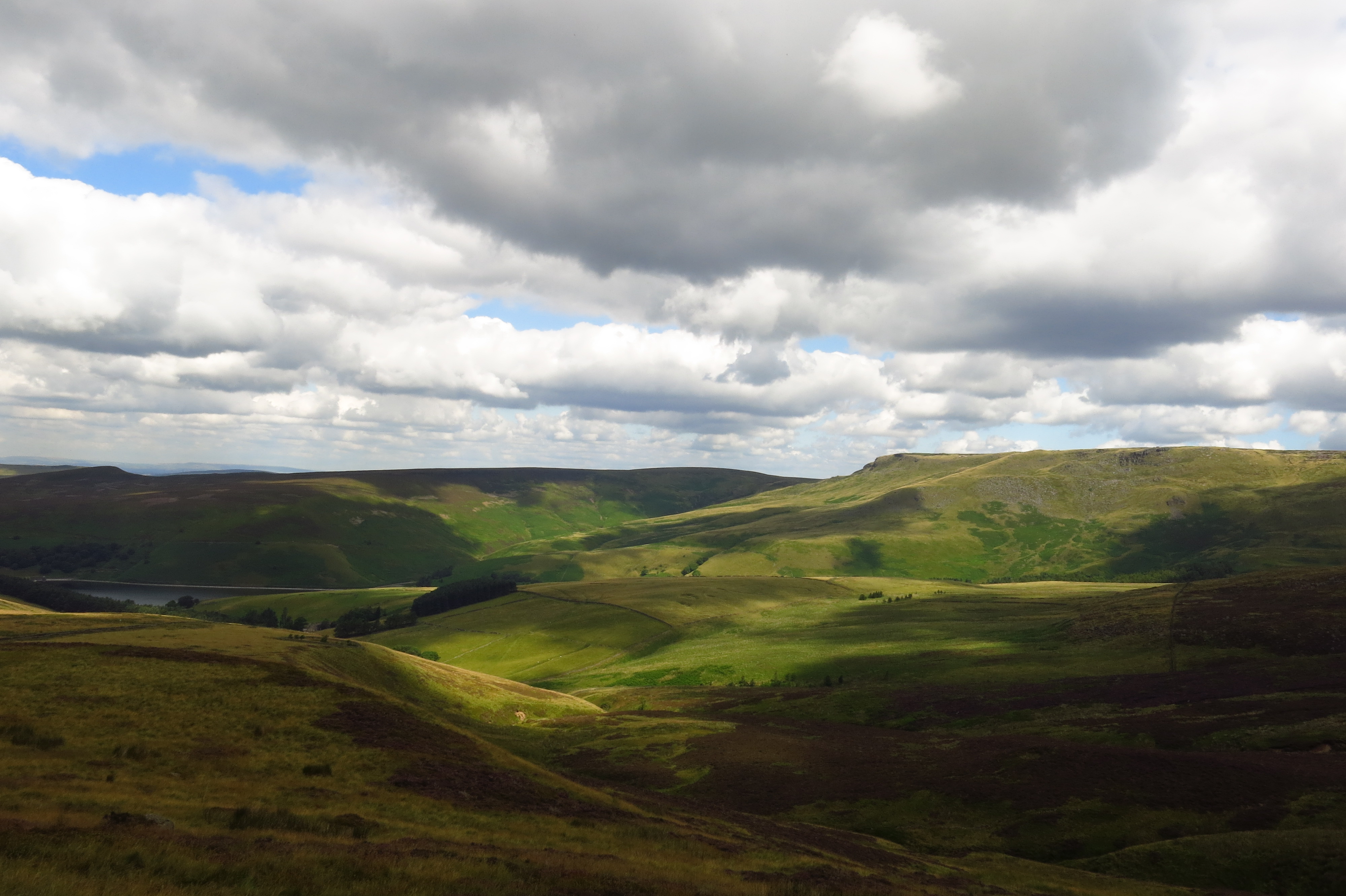
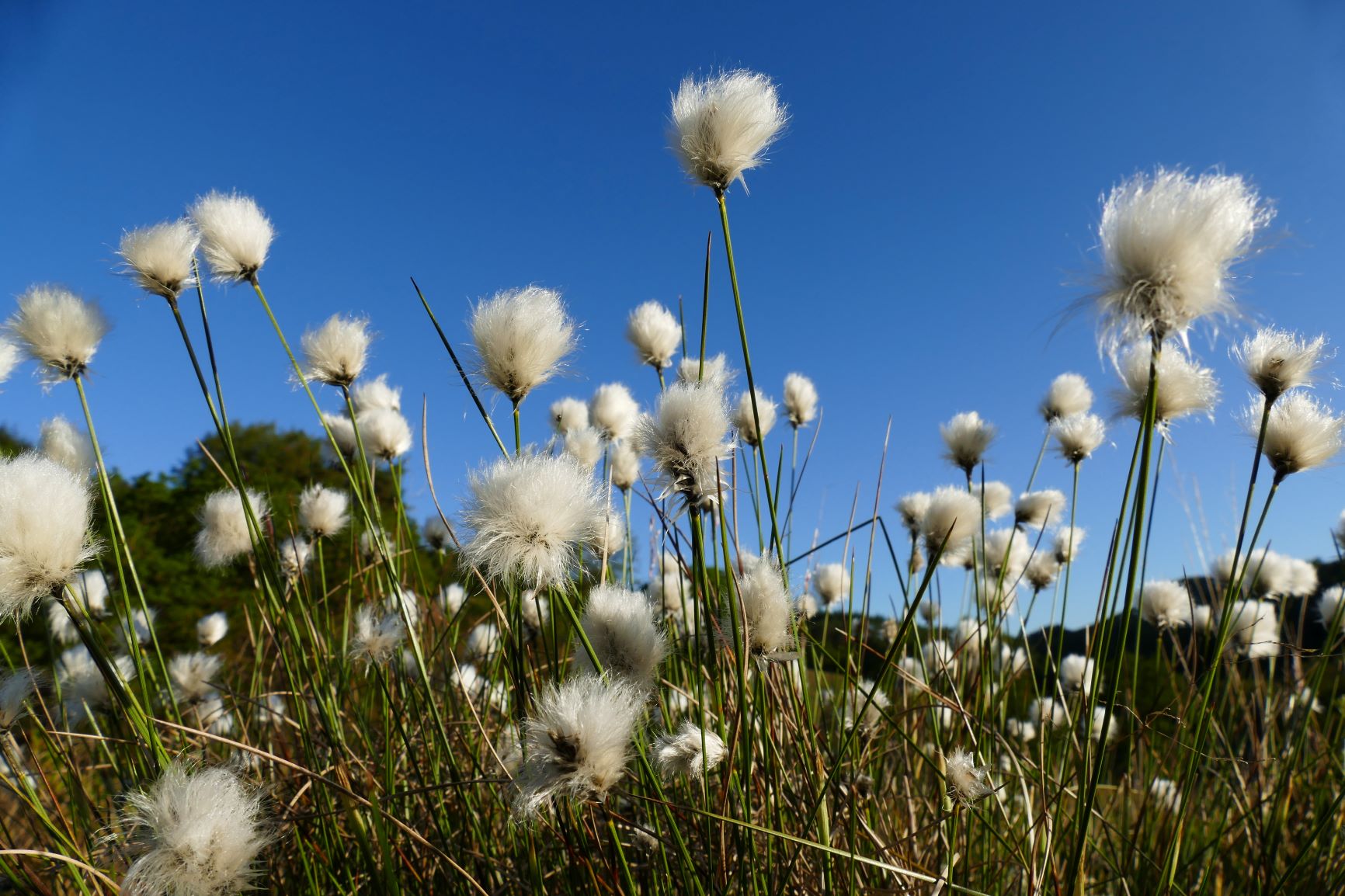
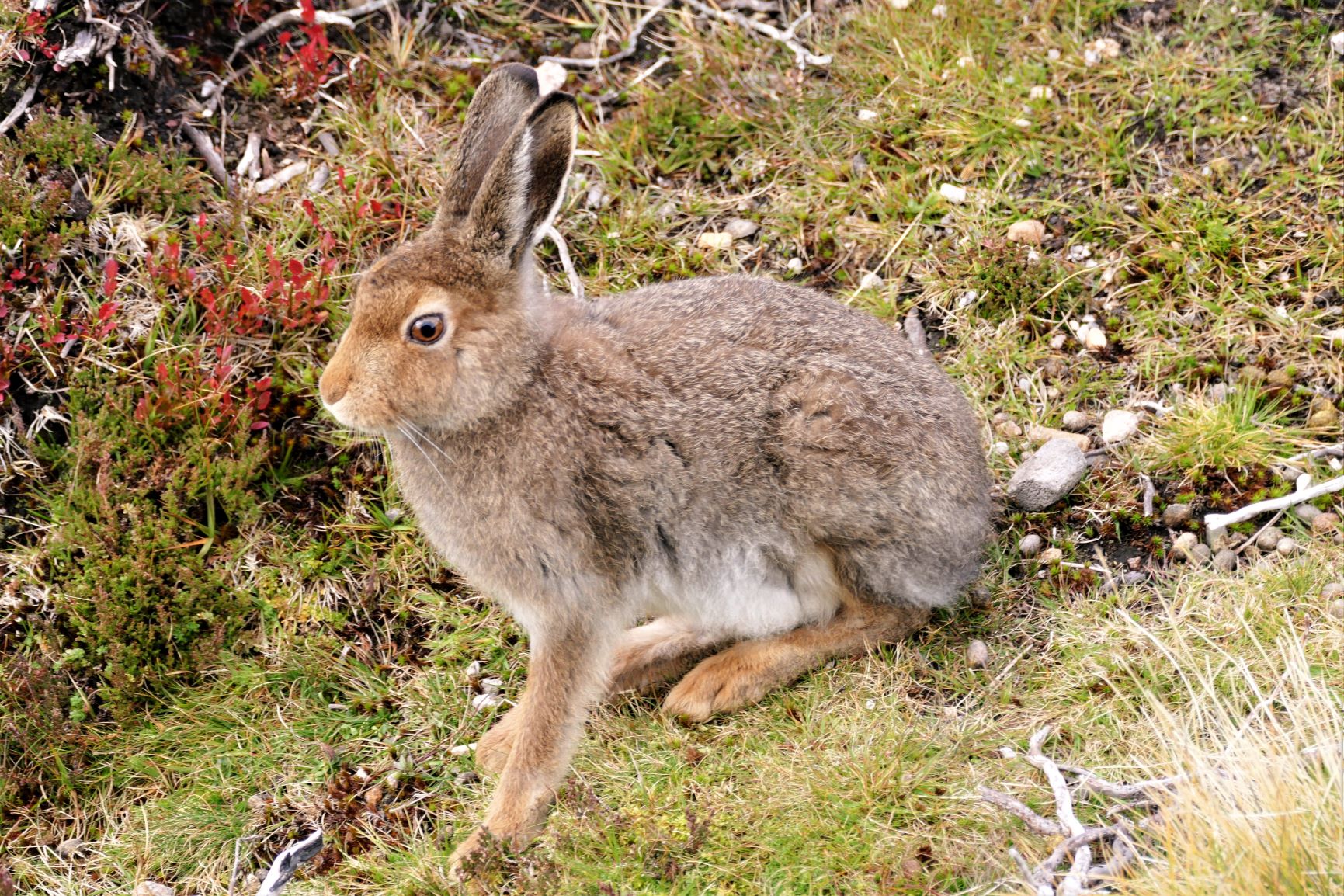
Images clockwise from top left: heather bee colony, the view across to Mam Torr from Kinder, mountain hare and hare’s-tail cotton grass, common heather in flower.
The 360 Degree Approach
Our Derbyshire breaks are co-organised by Mark Cocker and Chris Mounsey of Balkan Tracks. Chris will make all arrangements, handle bookings and oversee finances. Our approach has been worked out over many years of sharing wildlife and its place in human culture with others. The break is intended to be a form of alfresco salon where the landscapes and life of Derbyshire are a stimulation for reflection, thought and unending conversation, as well as laughter and great fun. We shall never be in a rush. There will be no concern whatsoever for listing. And while I am not expert in everything, we will look at everything. The aim is to pack each day with wonder so that you have the richest and most imaginative engagement with all parts, whether it is peregrines or periwinkles. It is not a writing trip in any sense but the approach lends itself to creative responses. If you feel inspired all the better, and impromptu readings in the evening are a routine part of our holidays.
The 360 Degrees team
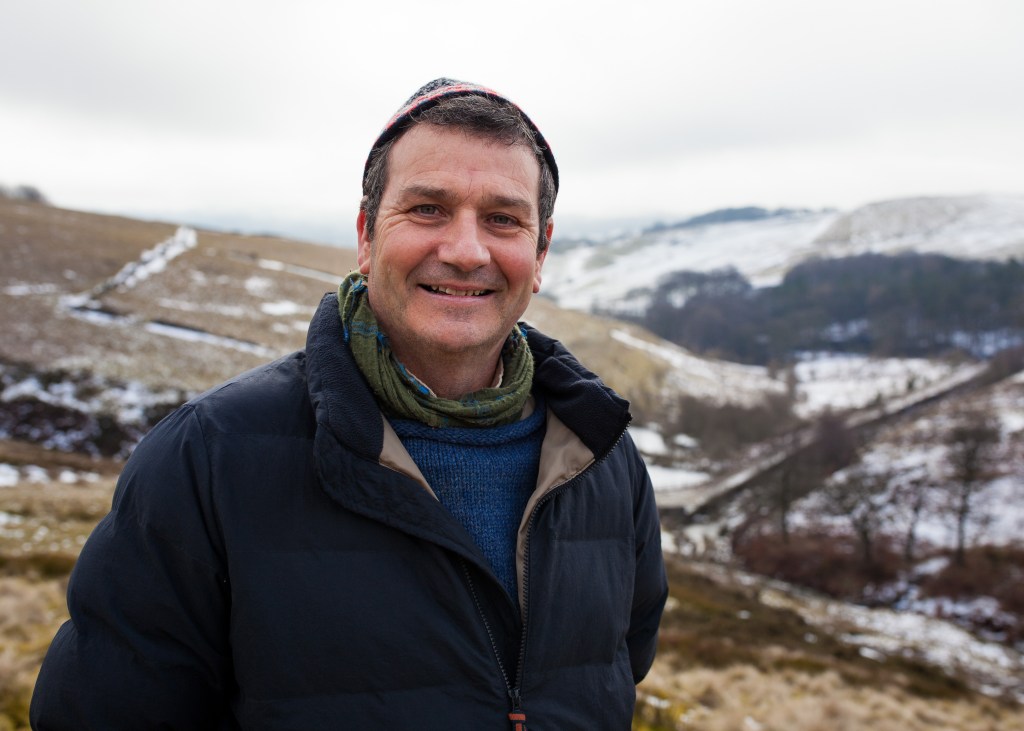
Mark Cocker is an author and naturalist born and brought up in Buxton. He has contributed to the Guardian country diary for 34 years and his 12 books of creative non-fiction, including Our Place, Birds and People and Crow Country, have been shortlisted for many awards including the Samuel Johnson Prize. Crow Country won the New Angle Prize in 2008, while A Claxton Diary won the East Anglian Books Awards in 2019. In a previous life he led wildlife holidays all over the world and the 360 Degree approach is a distillation of that experience.

Originally a lawyer in London, Chris Mounsey worked for an environmental NGO in Prespa in Greece. He and his father Richard then founded their dedicated ‘responsible tourism’ company, which is devoted to connecting visitors with some of Europe’s finestnature and, importantly, the people who live among it. Chris is currently exploring newforms of flight-free holidays in the UK and other parts of Europe.
Our Accommodation
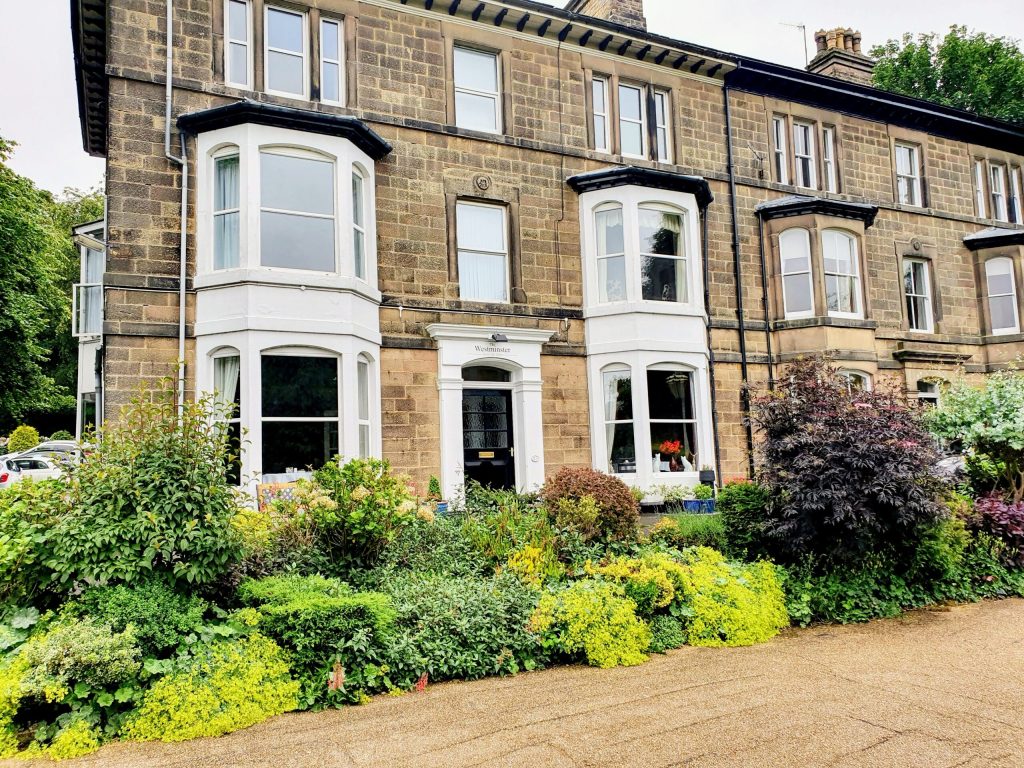
Our base is the four-star Westminster Hotel, a family-run 12-room establishment on Broad Walk at the heart of the town, with lovely views over the Pavilion Gardens’ lakes. The breakfasts and packed lunches are hearty and based on locally sourced produce. In the evenings we have three-course dinners at a small privately-owned and family-run restaurant called La Brasserie Bar, where the food and atsmopshere are first class. It is just ten-minutes walk from the hotel and located in the most vibrant part of Buxton’s scenic centre. There are terrific micro-brewery pubs around this area and our hotel is chosen to give you easy access to Buxton’s famous historical architecture, such as the St Anne’s Crescent and the Devonshire Dome. You can find out more about your accommodation at their respective websites: www.westminsterhotel.co.uk and www.thebarbrasseriebuxton.co.uk.
Prices and Arrangements
Dates: Mon 4 July – Thurs 07 July 2022
Price £795 (plus £100 for single supplement) Included are all transport, guiding (entry fees), all meals including daily packed lunches and accommodation. Mark will be with you on all excursions. The only additional costs are your travel to/from Buxton, drinks or snacks during the day, evening drinks with your dinners. The tour will have a maximum of eight participants. Our programme is based on 9am – 5pm excursions, although sometimes we might be later back from more distant locations. We will provide a detailed daily plan closer to departure. We can make reading and equipment recommendations. A £200 deposit is payable on booking. See my website for additional details. if you want more information about the programme please email me here. If you would like to go straight to the booking form, click here.
The unofficial book club no 3

Looking at those extraordinary anatomical drawings by Leonardo da Vinci from 510 years ago, which feature a stillborn child plucked from the womb of its deceased mother, you realise that one of the world’s most celebrated artists seldom felt a demarcation between his aesthetic exploration and what one could broadly call his scientific investigation of life. Art and knowledge were two parts of a single practice and the driving heart of it was one of the most curious, tender and wonder-filled minds ever to have evolved.
It has always struck me that art still has a central part to play in modern natural history. Although the deep connection is partly being broken or, perhaps one should say, continued by photographers, there is still an important place for painters in nature. Illustrations of wildlife have changed the way we see other creatures. The American Roger Tory Peterson, for one, made birds accessible to millions of us in the twentieth century. I think equally of the bird plates of the Swede Lars Jonnson. Theirs isn’t perhaps art in the same vein as Leonardo’s Mona Lisa but, rather like the latter’s anatomical drawings, the work of these naturalist painters enables us to enter worlds and see things that we barely knew.
If I am asked to name a contemporary illustrator who has done an enormous amount to change how we see British nature I immediately think of Richard Lewington. His astonishingly accurate, painstaking depictions of butterflies, latterly of moths and most recently of the 275 species of British bee, are among my favourite paintings by a modern illustrator. His images adorn several key groundbreaking field guides and for many thousands of people they have given access to a whole new world of insects.

And rightly so, you would say, because insects can be beautiful (look at the Atlas moth above). There is now also a deepening and rather belated public recognition that insects are astonishingly important to life. I think there are 24 insect orders and just four of them – flies (diptera), moths and butterflies (lepidoptera), bees, wasps and ants (hymenoptera), and, last but not least, the gargantuan order of beetles (coleoptera alone contains 400,000 species) – include somewhere in the region of 770,000 species and perhaps close to half of all life forms that humans have pinned a name to.
Part of the problem of insects is the sheer size of that taxonomic list. Britain is pretty poor for insects with a modest total of only 24,000+ species. When the animals are this numerous and diverse and taxonomically unstable it means their names and the hypothetical order in which they are arranged change regularly. It also demands that the nomenclature for them is largely based on scientific Latin and Greek. Unfortunately it places one of the planet’s most important classes of life behind a pay wall of near impenetrable complexity. The price you have to fork out is an intense effort to master all the complicated terminology and detail. The result: insects have languished in a place of deep human ignorance and we see them very often as just nasty little bugs that have us reaching for the spray can.

If you are in any doubt about the terror inspired (I say this humorously: in fact, one of the great cultural gifts made by insects is the inspiration they’ve provided for most of the horror genre in world cinema!) by these creatures then look at the extraordinary jaws on the green tiger beetle that I saw the other day in the Goyt Valley. But I also bid you look again at this completely harmless little fellow and see how stunning are its colours. And those are my finger tips: he or she is tiny and anything but scary.

At a time when there are reports suggesting a 80 per cent collapse in entire European populations of insects we really have to change our attitudes and practices towards them. An idea once falsely attributed to Einstein was the notion that if honey bees were to go extinct, humanity would have about four years before its own demise. It is untrue and he never actually said it, but a world without insects is genuinely one that would suffer monumental disruption. And while life would continue, humans almost certainly would not. Insects are at the very heart of the business of plant pollination. They are the great refuse disposal agents of the planet, recycling nutrients to ensure healthy plant communities in all terrestrial environments. Forests probably would cease to function without insects. This class of life is ultimately the foundation of most food chains and without insects almost every creature on Earth would be adversely affected.
So cometh the hour, cometh the man. Paul Brock has possibly done more to change how we see, recognise, grasp, understand, and, therefore, care about insects than any one else in Britain. His original 2014 book A Comprehensive Guide to Insects of Britain and Ireland (Pisces publications) was an instant bestseller and changed the landscape of insect recognition overnight. It was partly the beautiful lay out, the inclusion of pretty accurate distribution maps on the same page as the text, the presence of so many really pin-sharp photos, and partly his coverage of more insect species than any previous single volume. He then did a companion A Photographic Guide to Insects of Southern Europe and the Mediterranean, which widened the geogrphical range of his focus. Now here comes a new improved stab at the whole business.
Britain’s Insects: A Field Guide to the Insects of Great Britain and Ireland by WildGuides (£25, first published on 5 July 2021) is a whopper! It is not perhaps a field guide in the sense that you would carry it around easily in your bag, but you could have it in the car and most all-round naturalists will definitely want it on their shelves. What it does brilliantly in 600 clearly laid out, if busy, pages is to put at your disposal the most comprehensive single text yet produced for British insects, packed with key up-to-the-minute data and with 2,600 superb images of nearly 1500 species.
There are 1-2 innovations and a whole lot that was excellent in the earlier books which Paul has carried over into this new one. One of the most important for me is the inclusion of as many English-language names for species as he possibly can. There’s a famous Spanish-derived adage quoted everywhere by naturalists these days – ‘you cannot love what you do not know’. I would modify it slightly to argue ‘you cannot love what you cannot remember’. English names are pivotal to the dissemination of knowledge and, thus, of real attention and devotion to any branch of natural history. Of course you cannot easily have English names for all 24,000 insects, but you can work on the principle that accessibility is everything. The editors at WildGuides are past masters at this stuff and I could not recommend their collective project more highly.
One detail I must mention before I close and let you go off and pre-order it. I am a passionate devotee of grasshoppers and crickets, partly because, like birds, they up and fly away, making them an enhanced challenge in the field. But they also produce some of the most glorious vocalisations of the British summer. This book has a system of QR codes for every member of the group so you can use your mobile phone to find recordings and thus hear these orthopteran melodies in real time as you are looking and listening to the beast itself. What a great innovation. Congratulations Paul Brock. Congratulations to the team at WildGuides.

Red Shift: Helping House Martins and Swifts in their time of need?

Last month we got official confirmation about the new national status of swifts and house martins (above) in Britain. Although anyone over 40 years old with even the slighest interest in nature will have watched these glorious summer birds become less and less common. Places where they used to breed have increasingly fallen silent. Now we have the facts in black and white, or perhaps in scarlet letters. Because both have been declared red-list species in Britain and at risk of extinction, with swifts having fallen by 58% and the martin by 57% since 1995.
The grim background to this story is that 70 species, about double the number previously red-listed in 1996, have now been placed in this highest category of threat. Just as worrying is that a further 103 birds are on the amber list. Why does that matter? Well until recently swift and house martin were amber-listed birds also. The red and amber lists suggest that there are troubling population trends for three-quarters of all British birds. Just a quarter of our avifauna has a positive environmental status with a green listing.
The central issue accounting for losses of swifts and house martins is probably revealed in the Krefeld report, a German document that shows how insects have declined in that country by 75 per cent in the last 40 years. Most signficant is that these changes came not in the wastelands of industrialised farming but from within the country’s protected wildlife network. Insect biomass is directly implicated in the losses of insectivorous birds. Why would we be surprised that 3.2 billion birds have vanished from North American skies and now 600 million from Europe over the same period? These are precisely the areas with the longest history of intensive agricultural use of insect poisons. (let’s call a spade a spade here: they are not ‘pesticides’, they kill so-called ‘pests’ and everything else.) Here’s a swift (below) with its throat bulging with 300-1000 insects that it will feed to its chicks.

Below is a heart-warming scene involving house martins en masse as they gather nest-making materials. It was taken in northern Greece, where house martins are still in extremely good numbers, but there is something else in the image that may help to explain why this little pied mouse has plunged so dramatically in Britain. Mud. House martins need it to make their nests and you invariably require livestock, primarily cattle, to create mud. That is exactly what you see in the Greek shot. Otherwise the birds use industrial and agricultural sites or natural places – river banks and temporary puddles – in order to collect their essential pellet-sized building materials. My guess is that a mud shortage is a lesser but significant factor in UK house martin declines.

There is a third factor in the losses of house martins and swifts and this is one we can all do something about. Both birds originally would have used a range of natural nest sites – caves and cliffs or treeholes – but at differing times in the history of civilisation, these two switched to nesting above our heads in roofs. (Below is an original house-martin nest-site on the chalk cliffs at Flamborough and you can read my fuller post and Guardian pieces here and here).
But things have changed dramatically in the last half century. A new requirement for higher levels of insulation and changes in construction materials have probably worked against both birds, but especially swifts, which need access holes in our roofs. Our increasingly tidy-minded habits have probably played a further part in evicting house martins. I have actually seen people knock nests down, which is illegal, or hanging decorative Xmas-type lights permanently on the gutters in an attempt to deter the birds from building, which is probably legal but appallingly uncaring. Loss of nest sites by both birds is surely a major factor in their declines.

The sad disappearance of these two magnificent creatures has mercifully not gone unnoticed. And there are many things that anyone can do. I am going to list a few of the positive ways in which people can and do help house martins and swifts.
There is, for example, a wonderful group called House Martin Conservation UK and Ireland. You can find more about their work on the website here and on Facebook here. Both links give you access to an entire community of friendly people and brilliant ideas about what to do. House martins need an eave so that they can usually glue the mud cup both to the back wall and also to a horizontal surface at 90 degrees to vertical. But you can buy ready-made cups that sit on boards and slot into exactly that space. My picture of Millers’ Dale station shows that success is not guaranteed. The bird still often prefer their own homemade versions. House martins have thousands of years of history of using our sites but building their own nests. Switching to the ready-made alternatives may take a little time, so try to be patient.

House Martins are also highly communal and like to be with friends. Here is a picture recently taken at Castro Verde in Portugal which shows how they love to be with one another. So, if you have success with luring a single pair into your purpose-built box then perhaps put out others nearby. One house martin pair is great, but 2 or more is better still.
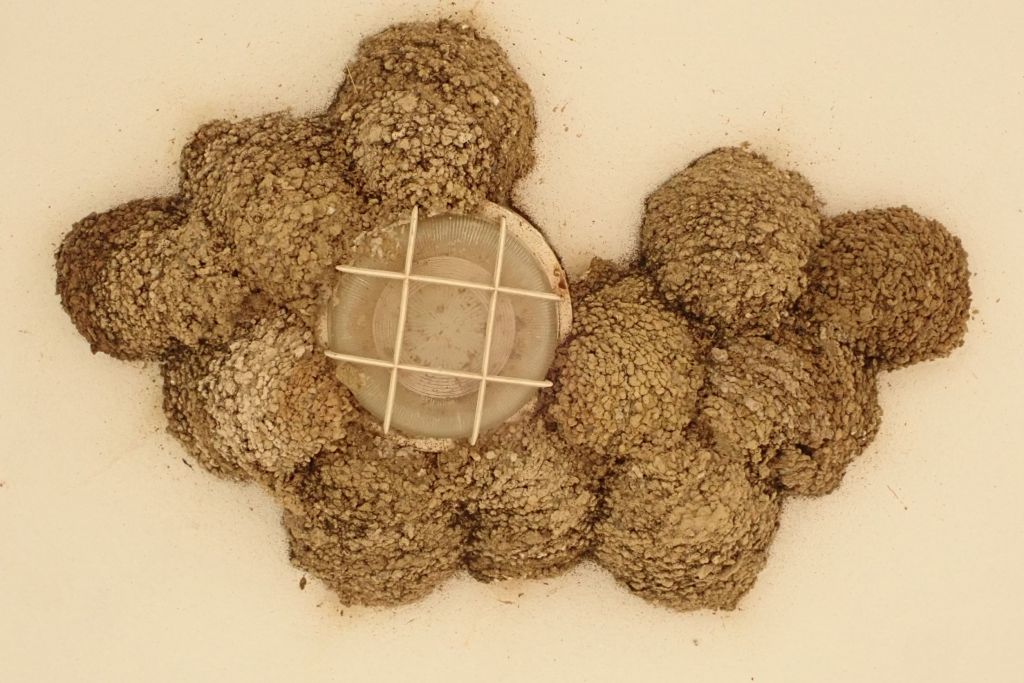
The ready-built nests are now made by a range of manufacturers at relatively small cost. My personal favourite manufacturer in our area is Peak Boxes, which is constantly innovating on new ways to encourage birds and to create nesting places for martins and swifts, and for a whole suite of other hole-using species. Here is their latest idea for a socially minded creature like house martin, a tower block complete with more than a dozen nests at the equally brilliant rewilding Derbyshire farm Sunart Fields run by Geoff and Rachel Evatt. Link here.

Swifts are similarly adapting to human-made alternative nest-sites. We have one of Peak Boxes’ seven-unit apex nest-sites for swifts, so far, it must be said, with imperfect success for the target bird. The best means of luring swifts to new boxes is to play tape-recordings of their social calls. Most of the manufacturers, such as Peak Boxes, sell these sound systems. And they have led to startling successes, sometimes with swifts moving into freshly erected boxes within hours. The unit structures at Peak Boxes have been designed after decades of research by swift aficionados like Mark and Jane Glanville.
The key point to make is that you don’t need a multi-nest box to have an impact. A single occupied site makes a difference and the other possibility is to work with neighbours to develop a community project. A real long-term solution would be if all new-built properties came with special nest bricks for sparrows, starlings, martins and swifts so that this traditional roof-nesting bird suite were accommodated at source. The groups often campaign for these outcomes.


There is a comparable suite of active swift groups which can help with advice and contacts. There is the pioneering specialist collective Swift Conservation which has a website here. There is another Facebook equivalent with many members called Save our Swifts, Swallows, Sand Martins and House Martins. If you use social media their dedicated page is here. All of the mainstream conservation organisations have page or groups dedicated to the birds and there are a number of other county-based collectives. We have a fabulous example locally run by volunteer Nick Brown for the Derbyshire Wildlife Trust here. And in Buxton itself we have a wildlife group that is partly dedicated to counting and censusing the local swift population. Email if you would like to know more.
One of the enormous pleasures of helping these two magnificent birds it the thought that action taken on your own doorstep could have direct consequences over the forests of the Congo or in the skies above South Africa. For they are truly world-wrapping migrants. They make our planet a single place and the whole world one community.

Unofficial bookclub no 2
Europe’s Birds,
by Rob Hume, Rob Still, Andy Swash and Hugh Harrop, 640 pp, £20, Wild Guides & Princeton.
or ‘Matey: I agree with you’.


A question. Do you have friends about whom you wonder sometimes why exactly you’re friends? I must confess I do. One of my closest friends is David Tipling the celebrated photographer with whom I worked on a book for ten years. Birds and People is still one of the favourite projects that I have completed in my career, partly because of collaborating with such a talented guy. The problem is he and I probably shouldn’t be friends! Because we agree on almost nothing.
And I’m not just talking politics here. Take any subject you like: the Queen, Terry Wogan, David Bowie, Manchester United, beefburgers, Coke Cola. On all of them we hold diametrically opposed views. In fact we disagree on so much that I once said to him half jokingly (we laugh a lot!) : ‘Matey, don’t ask me what I think of something. Ask yourself whether you like it or not and just assume I’ll be the opposite’. I should add he calls me ‘Matey’ and I him! It’s one of the things on which we are united.
A subject about which we have disagreed is field guides. Needless to say, David, a brilliant photographer to his fingertips, is a proponent of the photographic guide. I, on the other hand, have always loved illustrated field guides. I cherish the artwork in field guides and have always thought the capacity of the artist to arbitrarily include the details necessary for field identification – those subtleties that photographs so seldom once captured – have given illustrators an infallible advantage. These things are so silky; say, the relative length of the primaries, or the slight upward turn in a supercillium, or the patterning in the tertials, that only a painterly eye and hand can convey them.
My lifetime sequence for British bird books is as follows: The Observer’s Book of Birds, and then, from the age of 12, The Hamlyn Guide to Birds of Britain and Europe by Bertel Bruun and Arthur Singer (1972). Next came what was familarly known as Heinzel, Fitter and Parslow. The technical title was The Birds of Britain and Europe, with North Africa and the Middle East by Collins (from the age of 13 onwards). It was the subtitle and all those improbably wonderful, exotic African and Middle Eastern creatures like Dupont’s Lark and Grey Hypocolius that probably did more to change my world view and my life ambitions than any other field guide.
Next came a new generation of books with such beautiful artwork that you couldn’t imagine they would be bettered. I mean Lars Jonsson’s Birds of Europe with North Africa and the Middle East by Christopher Helm in 1992 and then ‘Svensson’. The gold standard for the next generation, its full title is Collins Bird Guide (2nd Edition) The Most Complete Guide to the Birds of Britain and Europe by Lars Svensson, Killian Mullarney and Dan Zetterstrom (Collins 1999.
What all of them have done, and do still, is inform our sightings with greater comparative understanding and ever more forensic detail on bird appearances and variation. In turn they fuel our ambitions for future obervations. These field guides – all of them, right back to The Observer’s Book of Birds – tell us how we should look and what to look for. In short, they help us see better. It is a great gift. Collectively they also provide a social history on the birding community and sequential measurement of how optical technology, such as that by Opticron who support these pages, have changed the way we observe.
All of the above I’ve come to appreciate slowly. What I never imagined is that I’d now come round to the idea that the future belongs to photographic guides. Even more difficult to say: I have to admit David Tipling is right. To put it another way: ‘Matey: I agree with you’.
The book that has changed the landcape, for me, is this astonishingly beautifully and technically masterful Europe’s Birds: An Identification Guide by Rob Hume, Robert Still, Andy Swash and Hugh Harrop of Wild Guides under the umbrella of Princeton Press £20.How to begin to capture the scale of their collective achievement? Well, it is a very big book, 640 pages long and 1.4kg (3lb in old money) in weight. This largeness is actually part of the reason for its overall quality. Not only is it roughly 200 pages longer than ‘Svensson’, but each page is a slightly larger canvas with roughly an extra 2cm of height and width. The space has given its creators lots of room to cover all the latest taxonomic changes and give each of 900 species its full due, using 4700 images to go into the details required for making a successful discrimination.

Here is a family with which I often struggle. Divers. See one in summer on a loch and it is usually straightforward. But out on a choppy sea in winter, when they lose all that tell-tale colour, it is another matter. The beauty of these photographs is that they are able to do all the work I once credited only to illustrations: they capture the exact differences, but they do so with pictures of the actual living beast.
The sheer abundance of photographic images for Wild Guides to choose from – partly because the latest technology has brought decent images within the compass of many gifted amateurs – means that they can find pin-sharp pictures of hard-to-separate species in almost perfect analogue poses. And all can be placed in close proximity to the well-chosen words of a master of fieldguide prose, Mr Rob Hume. The combination is truly superb.

It is in the context of what is, for me, one of the most difficult-to-identify common bird families – the skuas – that you really see all the advantages of photographs and the finely honed text working in tandem. Skuas may be tricky, but having all the finer points of separation for your to pore over, really helps to get it straight in your head.
The various European species – Arctic, Pomarine, Long-tailed and Bonxie – have been minutely trawled in the separate species accounts. Then, for good measure, the authors have put together this hugely economical and information-packed double-page spread to allow you to digest the foregoing data in visual form. All of the necessary words are slotted into the previous pages. This, if you like, is both the icing on the cake AND the nitty gritty revision all in one space. It is a tour do force of digital organisation. The designers have really worked the whole book out in meticulous detail.

Here’s a page I enjoyed partly because it celebrates a favourite family. Also the photos capture something which my beloved copy of Svensson doesn’t convey through its paintings. I’ve always thought Rook and Carrion Crow have a quite different flight profile. Usually they are instantly separable on a flight view alone because of it. The rook’s outer wingtips are more deeply and finely fingered and the hand (the outer section of the wing sits at an oblique angle to the inner portion). Together they make the whole wing look more like a backward-slanting paddle. Carrion crows, on the other hand, have straighter-winged flight profile. They lack the appearance of a finely fingered hand and the distinctly angled shape. Most of the time, at least.
Pointing out the clarification made by Europe’s Birds is not to denigrate the earlier book but to celebrate again the achievements of the new one. Not only is it a complete and integrated survey of all Europe’s birds and the challenges they pose in terms of identification, it is a beautiful object to have and peruse. And, yes, it has also made me realise that sometimes I’m wrong and my old friend is right.
It leaves me only to say, ‘Matey, I agree with you’. It would appear there are things we have in common. I’m pleased to think we can still be friends.

If you would like to leave a comment for me on this or anything else, you can contact me here. To see what else I am upto and if you would like to join me for a writing course, a Derbyshire break or holiday then go back to my website.


